Soy Sauce Eggs: The Ultimate Guide to This Savory, Umami-Packed Favorite
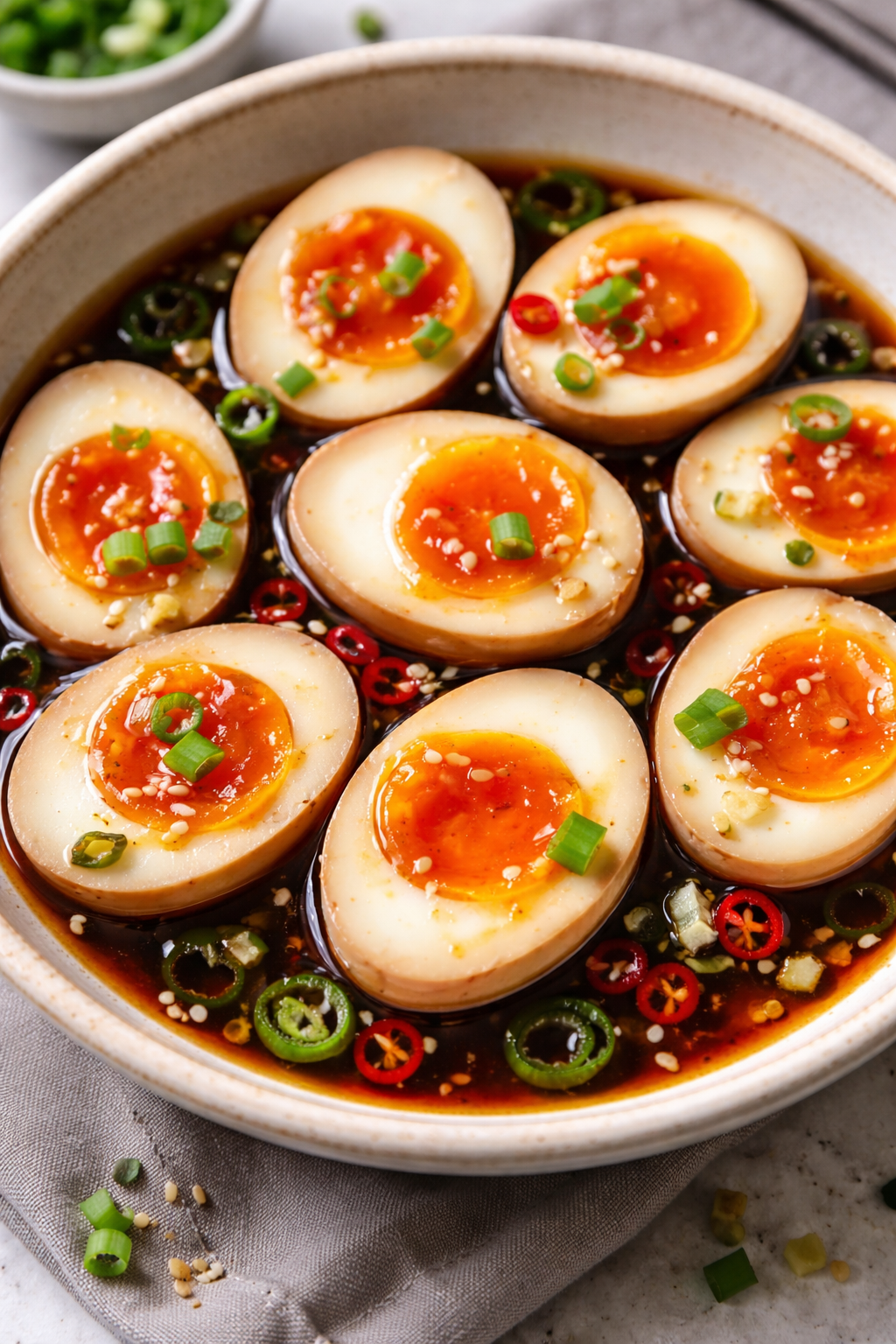
If you’re looking for a simple yet deeply flavorful dish that feels both comforting and elevated, soy sauce eggs deserve a permanent spot in your kitchen rotation. Rich, savory, slightly sweet, and endlessly versatile, soy sauce eggs are beloved across many Asian cuisines—and once you try them, you’ll understand why.
Whether you’re topping ramen, upgrading your rice bowl, meal-prepping protein for the week, or just craving a snack that hits all the umami notes, soy sauce eggs are easy to make and incredibly satisfying. Best of all, they require minimal ingredients and deliver maximum flavor.
In this complete guide, we’ll cover everything you need to know about soy sauce eggs—from their origins and variations to step-by-step instructions, storage tips, serving ideas, and common mistakes to avoid.
What Are Soy Sauce Eggs?
Soy sauce eggs are typically soft-boiled or hard-boiled eggs that are marinated in a soy sauce–based mixture. The marinade infuses the eggs with deep savory flavor while also tinting the whites a beautiful caramel brown color.
They’re most commonly associated with Japanese ramen eggs (also called ajitsuke tamago or ajitama), but variations exist throughout Chinese, Korean, and Southeast Asian cuisines. Each culture adds its own twist, using ingredients like mirin, sugar, garlic, chili, or spices.
At their core, soy sauce eggs are all about balance: salty, sweet, umami-rich, and comforting.
Why Soy Sauce Eggs Are So Popular
Soy sauce eggs have exploded in popularity in recent years—and for good reason.
1. They’re Incredibly Easy to Make
With just eggs, soy sauce, and a few pantry staples, you can create something that tastes restaurant-quality at home.
2. They’re Budget-Friendly
Eggs are one of the most affordable protein sources, making soy sauce eggs perfect for meal prep and everyday cooking.
3. They’re Versatile
Serve them with ramen, rice bowls, salads, noodles, toast, or even eat them straight from the fridge.
4. They’re High in Protein
Soy sauce eggs are filling, nourishing, and satisfying—great for busy schedules and balanced meals.
The Flavor Profile of Soy Sauce Eggs
The magic of soy sauce eggs lies in their complex flavor:
Salty & savory from soy sauce
Sweet from sugar or mirin
Umami-rich from fermented ingredients
Creamy yolk contrasts with the firm whites
When made properly, the yolk stays jammy or custardy, soaking up the marinade while maintaining its rich texture.
Ingredients for Classic Soy Sauce Eggs
One of the best things about soy sauce eggs is how customizable they are. Here’s a classic base recipe you can adjust to your taste.
Basic Ingredients
Large eggs
Soy sauce (regular or low-sodium)
Water
Sugar, honey, or brown sugar
Optional Flavor Boosters
Garlic cloves
Ginger slices
Mirin or rice vinegar
Sesame oil
Chili flakes or chili oil
Green onions
How to Make Soy Sauce Eggs (Step-by-Step)
Step 1: Boil the Eggs
Bring a pot of water to a gentle boil. Carefully lower the eggs into the water.
Soft-boiled: 6–7 minutes
Jammy yolk: 7–8 minutes
Hard-boiled: 9–10 minutes
Immediately transfer eggs to an ice bath to stop cooking.
Step 2: Peel the Eggs
Once cooled, gently crack and peel the eggs. Peeling under running water helps remove stubborn shells.
Step 3: Prepare the Marinade
In a bowl or container, mix:
½ cup soy sauce
½ cup water
1–2 tablespoons sugar (adjust to taste)
Add any optional aromatics like garlic or ginger.
Step 4: Marinate
Submerge peeled eggs completely in the marinade. Cover and refrigerate.
Minimum: 4 hours
Ideal: 12–24 hours
Turn eggs occasionally for even color.
Step 5: Serve
Slice in half and enjoy as is—or pair with your favorite dish.
How Long Should You Marinate Soy Sauce Eggs?
Timing matters when it comes to soy sauce eggs.
4–6 hours: Lightly seasoned, pale color
12 hours: Balanced flavor and color
24 hours: Deeply savory and rich
Avoid marinating longer than 48 hours, as the eggs can become overly salty and rubbery.
Popular Variations of Soy Sauce Eggs
Japanese-Style Soy Sauce Eggs (Ramen Eggs)
These often include mirin and sometimes sake, creating a sweeter, more balanced marinade that pairs perfectly with ramen.
Korean-Inspired Soy Sauce Eggs
Often spicier, featuring garlic, chili, sesame oil, and sometimes gochugaru.
Chinese Tea-Style Soy Eggs
Sometimes infused with spices like star anise, cinnamon, and tea leaves for a fragrant twist.
Sweet Soy Sauce Eggs
Using brown sugar or honey for a caramel-like sweetness—great with rice bowls.
What to Serve with Soy Sauce Eggs
Soy sauce eggs shine in both simple and elaborate meals.
Classic Pairings
Ramen or noodle soup
Steamed white or jasmine rice
Fried rice
Modern Ideas
Grain bowls
Avocado toast with soy sauce eggs
Asian-inspired salads
Bibimbap
Snack & Meal Prep Ideas
Eat cold as a high-protein snack
Pack for lunchboxes
Pair with roasted vegetables
Are Soy Sauce Eggs Healthy?
Soy sauce eggs can absolutely be part of a balanced diet.
Benefits
High in protein
Rich in vitamins B12 and D
Satiating and filling
Considerations
Sodium content can be high
Use low-sodium soy sauce if needed
Balance with fresh vegetables and whole grains
Storage and Shelf Life
Properly stored soy sauce eggs last up to 3–4 days in the refrigerator.
Storage Tips
Keep eggs submerged in marinade
Store in an airtight container
Refrigerate at all times
Discard if eggs develop an off smell or slimy texture.
Common Mistakes to Avoid
Overcooking the eggs – Leads to chalky yolks
Skipping the ice bath – Causes continued cooking
Marinating too long – Results in overly salty eggs
Not peeling carefully – Damaged whites absorb unevenly
Why You’ll Love Making Soy Sauce Eggs at Home
Once you start making soy sauce eggs, they quickly become a refrigerator staple. They’re comforting yet impressive, simple yet complex, and endlessly adaptable to your taste preferences.
Whether you’re a ramen lover, meal prep enthusiast, or someone who just loves bold flavors, soy sauce eggs are one of those recipes that feel like a secret weapon in the kitchen.
Final Thoughts on Soy Sauce Eggs
Soy sauce eggs prove that sometimes the simplest ingredients create the most memorable dishes. With minimal effort and maximum payoff, they deliver rich umami flavor that elevates everything they touch.
Once you master the basic recipe, you’ll find yourself experimenting with spices, sweetness levels, and serving ideas—making soy sauce eggs uniquely yours.
If you haven’t tried making soy sauce eggs at home yet, now is the perfect time. One batch is all it takes to understand why they’re loved around the world.