Backyard Garden Layout: How to Design a Beautiful, Productive Space That Actually Works
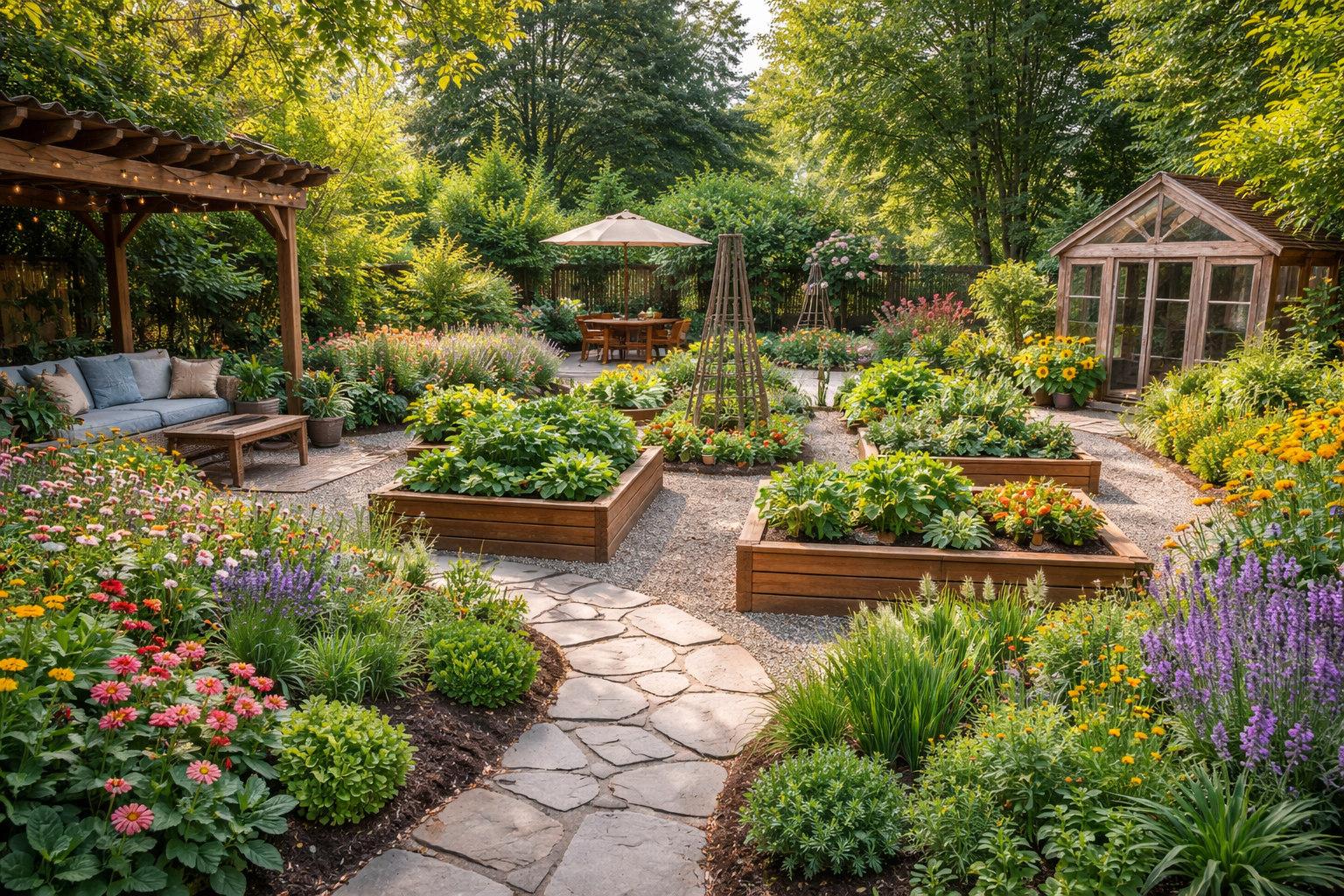
Designing the perfect backyard garden layout is about more than just where you plant things—it’s about creating a space that fits your lifestyle, maximizes your yard, and makes gardening easier and more enjoyable. Whether you’re working with a small suburban backyard or a sprawling outdoor space, the right layout can transform your garden into a functional, beautiful retreat.
In this guide, we’ll walk through everything you need to know about planning a backyard garden layout, from choosing the best design style to organizing plants, paths, and structures for long-term success. Whether you’re a beginner gardener or looking to redesign your existing space, these ideas will help you build a garden that thrives.
Why Backyard Garden Layout Matters
A well-planned backyard garden layout saves time, boosts plant health, and improves harvest yields. When your garden is thoughtfully designed, you’ll spend less time troubleshooting and more time enjoying the results.
Here’s why layout is so important:
Efficient use of space: Every square foot serves a purpose
Better plant growth: Proper spacing, sunlight, and airflow
Easier maintenance: Less bending, weeding, and backtracking
Improved aesthetics: A cohesive, intentional look
Higher productivity: Healthier plants produce more flowers, fruits, and vegetables
A great layout sets the foundation for everything that follows.
Step 1: Assess Your Backyard Space
Before choosing a backyard garden layout, take time to understand what you’re working with.
Measure Your Yard
Grab a tape measure or use an online mapping tool to determine:
Total square footage
Length and width of usable areas
Location of fences, trees, sheds, and patios
Sketch a rough map of your backyard to visualize where things could go.
Observe Sunlight Patterns
Sun exposure is critical for garden success. Track sunlight throughout the day:
Full sun: 6–8+ hours
Partial sun: 4–6 hours
Shade: Less than 4 hours
Most vegetables and flowers prefer full sun, while leafy greens and some perennials tolerate partial shade.
Check Soil and Drainage
Notice where water pools after rain and test your soil type. Good drainage and healthy soil will influence where you place beds and paths.
Step 2: Choose the Right Backyard Garden Layout Style
There’s no one-size-fits-all approach. The best backyard garden layout depends on your goals, space, and personal style.
Traditional Row Garden Layout
Best for: Large backyards, vegetable gardens, high yields
Rows are easy to plant and maintain, especially for crops like corn, beans, and potatoes. However, they require more space and can feel less visually appealing.
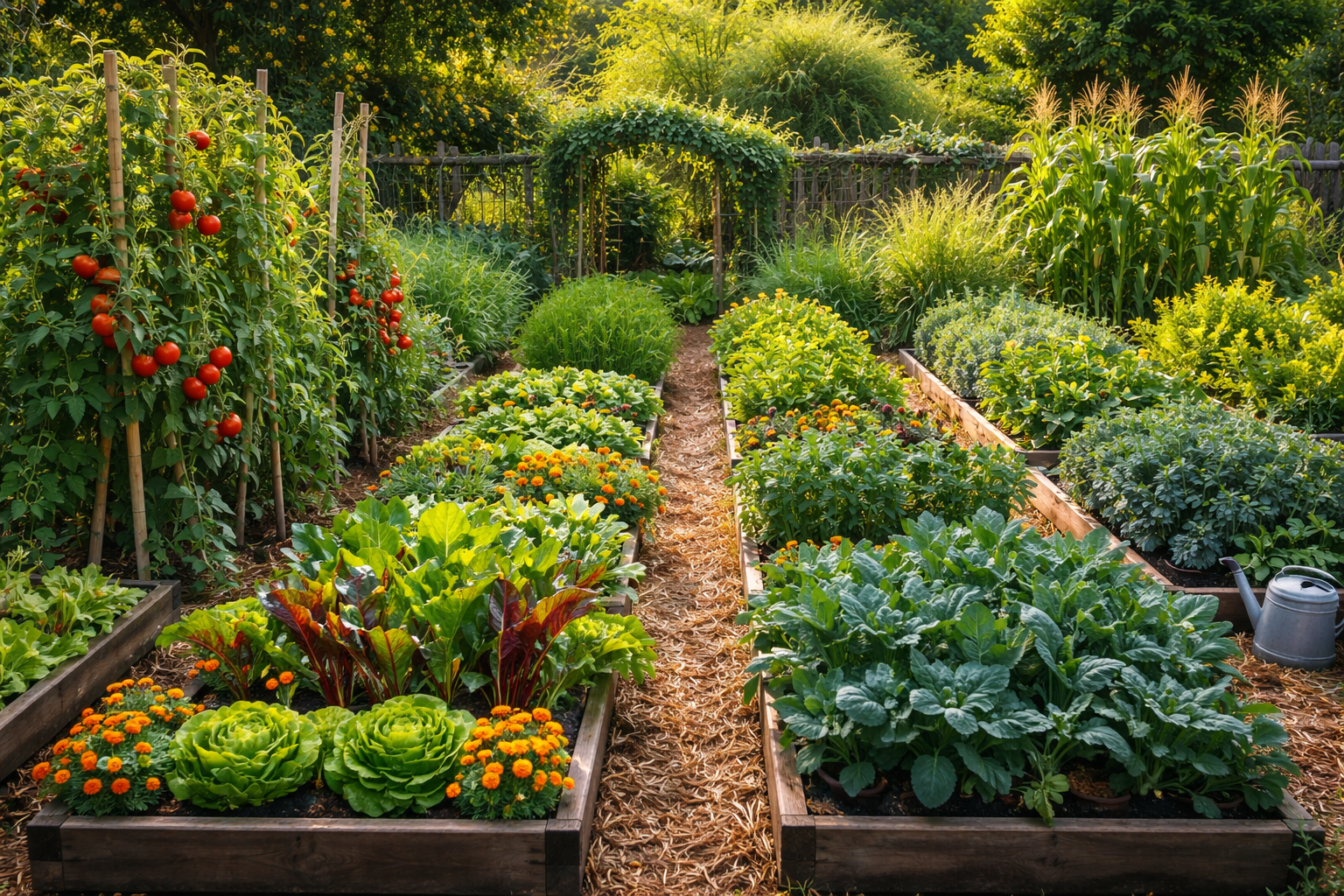
Raised Bed Garden Layout
Best for: Small to medium backyards, beginners, organized gardens
Raised beds:
Improve drainage
Reduce weeds
Make maintenance easier
Create a clean, structured look
They’re one of the most popular backyard garden layouts for good reason.
Square Foot Garden Layout
Best for: Small yards, urban gardens, maximum efficiency
This method divides beds into small squares, each planted with a specific crop. It’s ideal for gardeners who want high productivity in limited space.
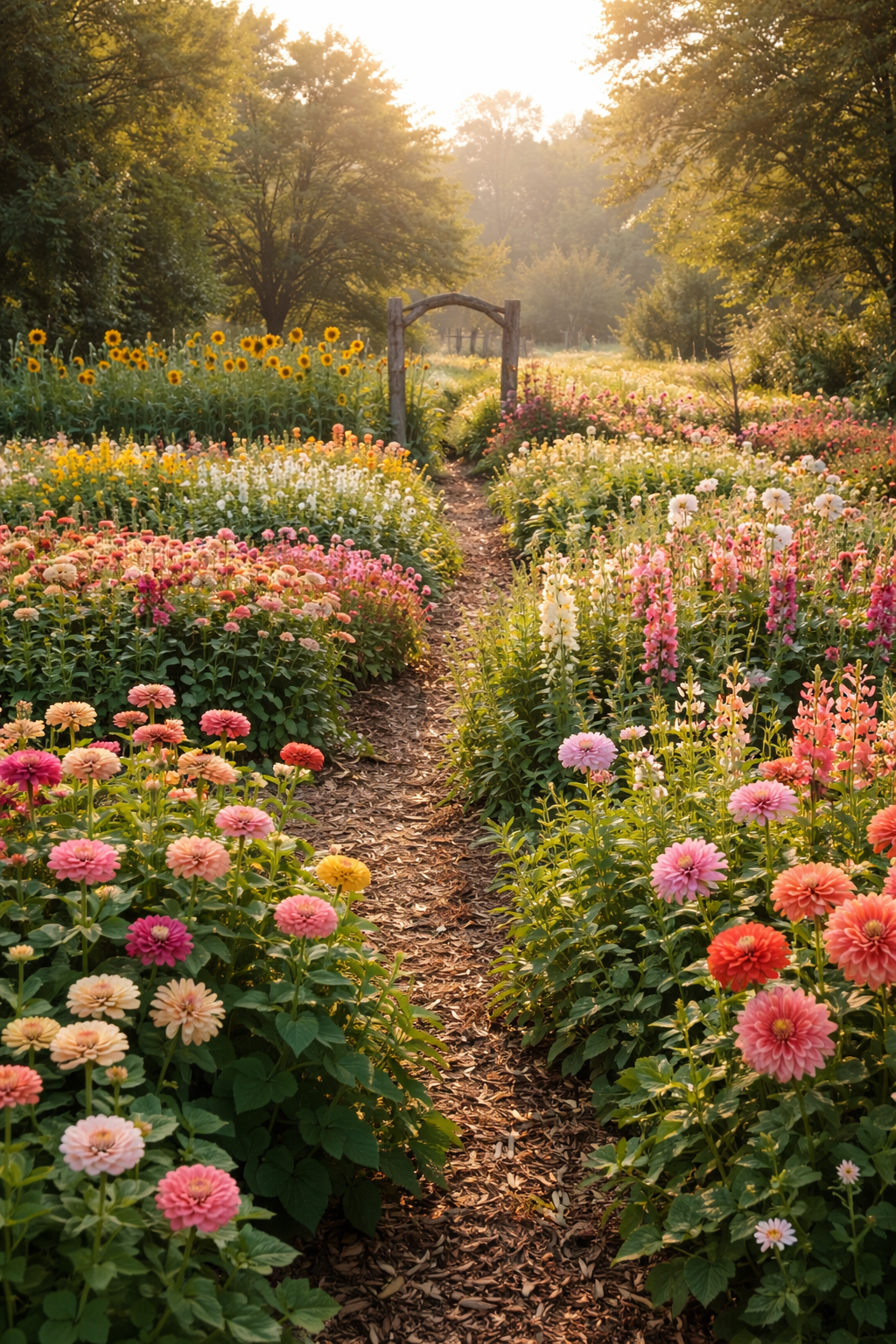
Cottage-Style Garden Layout
Best for: Flowers, charm, mixed plantings
Cottage gardens use curved paths, layered plant heights, and dense plantings for a romantic, relaxed feel. They’re beautiful but require thoughtful planning to avoid overcrowding.
Modern Minimalist Layout
Best for: Contemporary homes, low maintenance
Clean lines, geometric beds, and limited plant varieties define this style. It’s visually striking and easier to maintain.
Step 3: Decide What You Want to Grow
Your backyard garden layout should support what you actually want to plant.
Vegetable Gardens
Plan space for:
Crop rotation
Companion planting
Access to each plant for harvesting
Group plants with similar water and sun needs together.
Flower Gardens
Consider:
Bloom times for season-long color
Height layering (tall in back, short in front)
Pollinator-friendly varieties
Mixed Gardens
Many gardeners combine vegetables, herbs, and flowers for a productive and visually appealing backyard garden layout.
Step 4: Plan Garden Zones for Better Flow
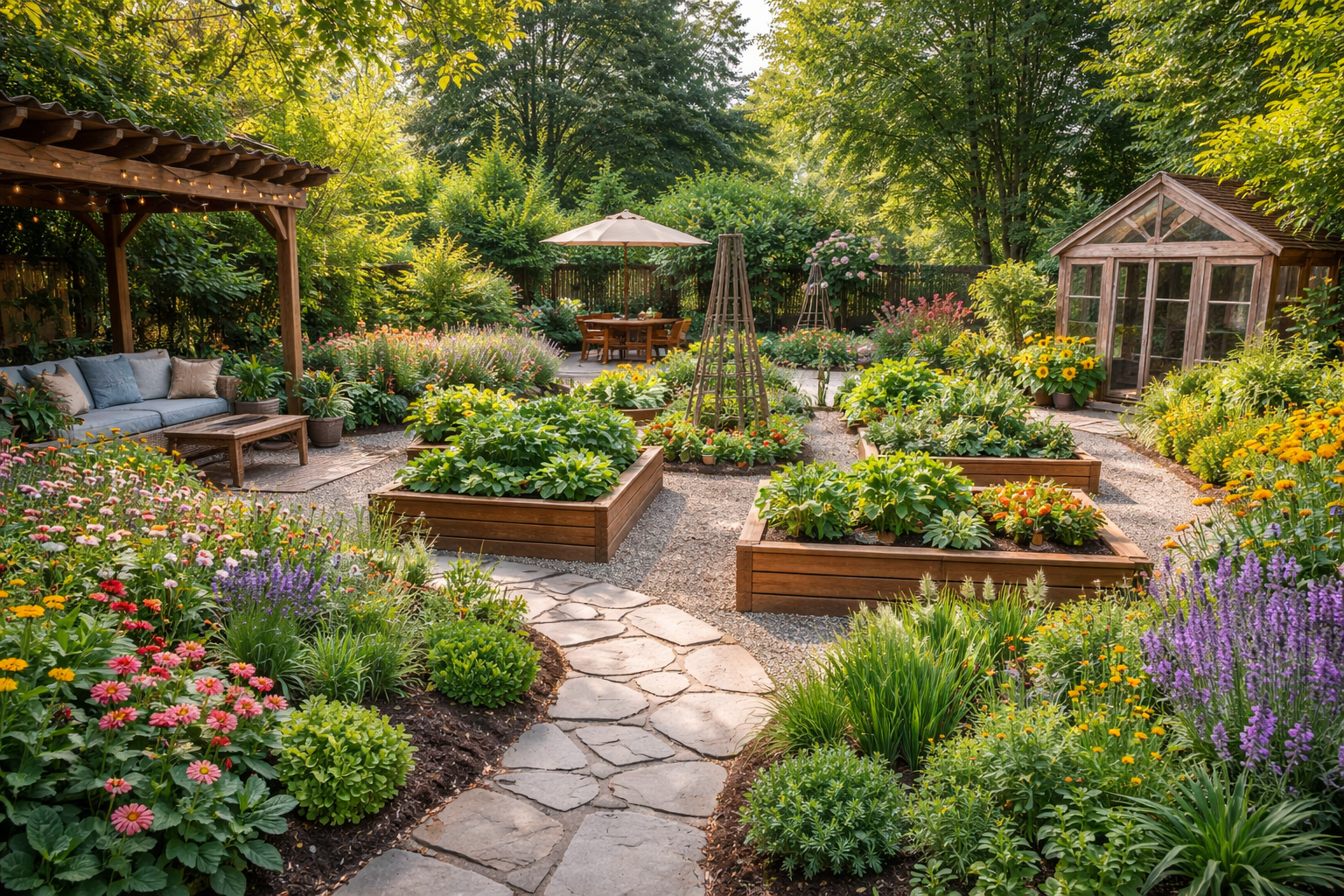
Dividing your backyard into zones makes your layout more functional.
Growing Zone
This includes:
Raised beds or in-ground beds
Herb gardens
Vertical growing structures
Place this zone where sunlight is best.
Pathways
Paths provide access without compacting soil. Popular materials include:
Mulch
Gravel
Stepping stones
Brick
Paths should be wide enough for wheelbarrows and comfortable walking.
Seating and Relaxation Area
A bench or small patio lets you enjoy your garden. Position seating where you can:
See blooms
Watch pollinators
Relax after gardening
Utility Zone
This area can include:
Compost bins
Tool storage
Rain barrels
Keeping these elements organized improves the overall look of your backyard garden layout.
Step 5: Use Vertical Space to Maximize Your Garden
Vertical gardening is a game-changer, especially in small backyards.
Ideas include:
Trellises for cucumbers, beans, and peas
Arbors for flowering vines
Wall-mounted planters
Tall cages for tomatoes
Vertical elements add height, improve airflow, and increase yields without using extra ground space.
Step 6: Design for Easy Maintenance
A smart backyard garden layout reduces work over time.
Keep High-Maintenance Plants Close
Place herbs, greens, and frequently harvested crops near your house for easy access.
Use Mulch Strategically
Mulch:
Suppresses weeds
Retains moisture
Improves soil health
This cuts down on watering and weeding.
Install Irrigation Early
Drip irrigation or soaker hoses save time and water. Design your layout so irrigation lines are easy to install and access.
Step 7: Create Visual Balance and Flow
A beautiful backyard garden layout feels cohesive and intentional.
Repeat Shapes and Materials
Using similar bed shapes, edging materials, or plant groupings creates harmony.
Layer Plants by Height
Tall plants in back
Medium plants in the middle
Low growers in front
This improves both aesthetics and sun exposure.
Add Focal Points
Focal points draw the eye and give your garden personality:
Decorative trellises
Sculptures
Water features
Unique plants
Step 8: Backyard Garden Layout Ideas by Yard Size
Small Backyard Garden Layout
Raised beds along fences
Vertical planters
Narrow paths
Multi-purpose spaces
Medium Backyard Garden Layout
Central garden beds with surrounding paths
Seating integrated into the garden
Combination of raised beds and in-ground planting
Large Backyard Garden Layout
Separate zones for vegetables, flowers, and relaxation
Orchard trees or berry patches
Wide paths and focal features
Step 9: Common Backyard Garden Layout Mistakes to Avoid
Even experienced gardeners make layout mistakes. Avoid these common issues:
Overcrowding plants
Ignoring mature plant size
Poor pathway planning
Forgetting access to water
Placing tall plants where they block sunlight
Taking time to plan prevents frustration later.
Step 10: Adapt Your Backyard Garden Layout Over Time
Your garden doesn’t need to be perfect from day one. In fact, the best backyard garden layouts evolve.
After each season:
Note what worked and what didn’t
Adjust bed sizes and plant placement
Improve soil and pathways
Gardening is a learning process, and flexibility is key.
Final Thoughts: Designing a Backyard Garden Layout You’ll Love
A successful backyard garden layout blends function, beauty, and practicality. By understanding your space, choosing the right design style, and planning for both plants and people, you can create a garden that thrives year after year.
Whether you’re growing fresh vegetables, colorful flowers, or a mix of both, a thoughtful layout will make gardening easier, more productive, and far more enjoyable. Start with a plan, stay flexible, and let your backyard garden grow with you.