DIY Greenhouse Plans: How to Build the Perfect Greenhouse for Your Backyard (Step-by-Step Guide)
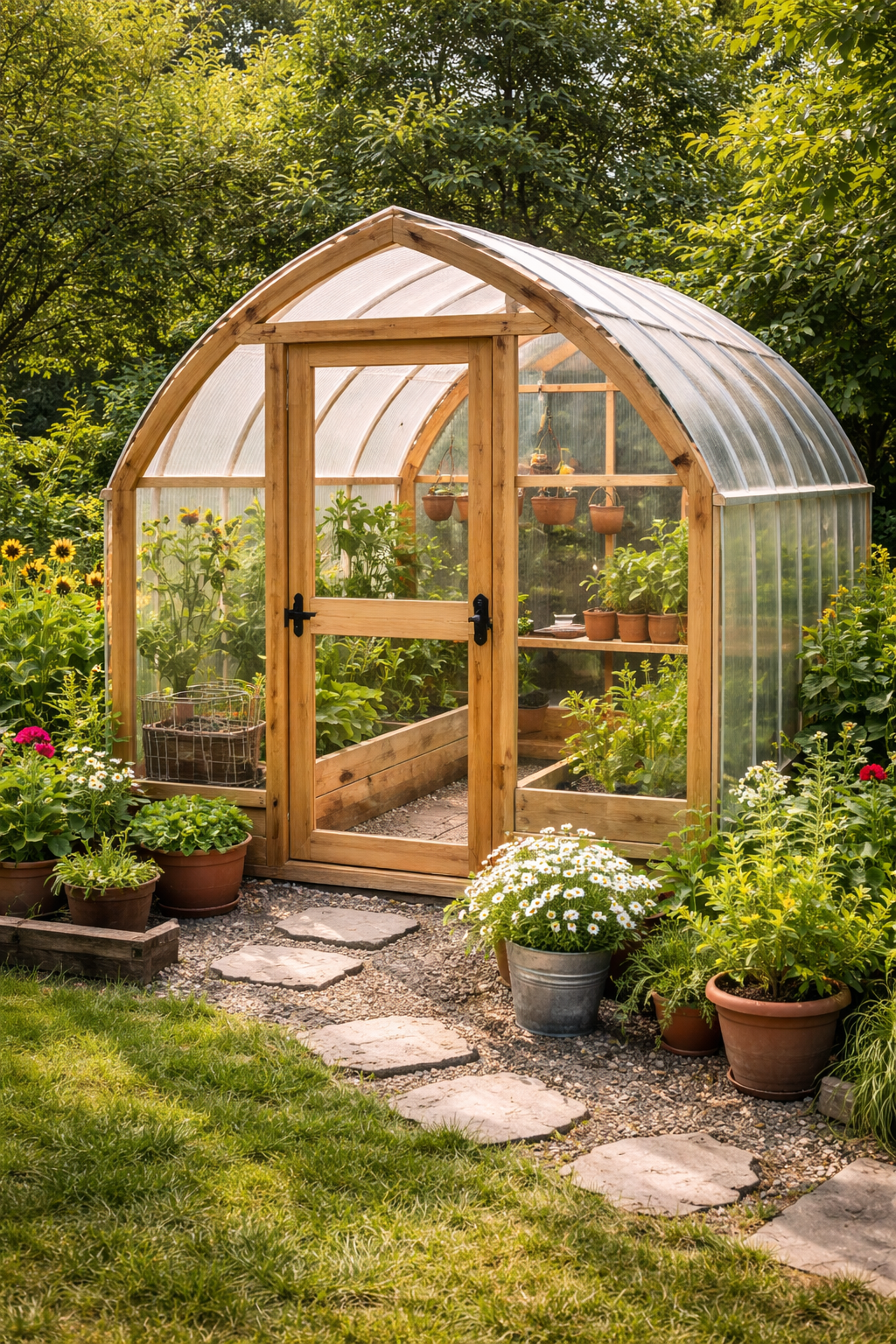
If you’ve ever dreamed of growing fresh vegetables year-round, starting seedlings earlier in the season, or protecting your plants from unpredictable weather, DIY greenhouse plans might be exactly what you need. Building your own greenhouse is more affordable than buying a pre-made kit, allows for complete customization, and is a rewarding project for gardeners of all skill levels.
In this ultimate guide to DIY greenhouse plans, you’ll learn everything you need to know—from choosing the right design and materials to step-by-step building instructions, cost breakdowns, and expert tips to make your greenhouse last for years. Whether you’re working with a tiny backyard, a suburban garden, or a large homestead, there’s a DIY greenhouse plan here that will work for you.
Why Choose DIY Greenhouse Plans?
Before diving into construction, it’s important to understand why so many gardeners are choosing DIY over store-bought greenhouses.
Benefits of DIY Greenhouse Plans
Cost savings: DIY greenhouses can cost 50–70% less than commercial kits
Customization: Build to fit your exact space, climate, and growing goals
Material flexibility: Use wood, PVC, metal, recycled windows, or polycarbonate
Scalable designs: Start small and expand later
Satisfaction: There’s nothing like growing food in a greenhouse you built yourself
DIY greenhouse plans also allow you to adapt your structure to your local climate—something mass-produced greenhouses rarely do well.
Types of DIY Greenhouse Plans
Not all greenhouses are created equal. Choosing the right style is one of the most important decisions you’ll make.
5
1. Lean-To Greenhouse Plans
Lean-to greenhouses attach to an existing structure like your house, garage, or shed.
Best for: Small spaces, urban gardens
Pros:
Uses existing walls for insulation
Lower material costs
Easy access from indoors
Cons:
Limited size
Sun exposure depends on wall orientation
2. Freestanding Greenhouse Plans
A freestanding greenhouse stands alone and offers maximum flexibility.
Best for: Medium to large yards
Pros:
Excellent airflow
Full sun exposure
Easier to expand
Cons:
Higher material costs
Requires a solid foundation
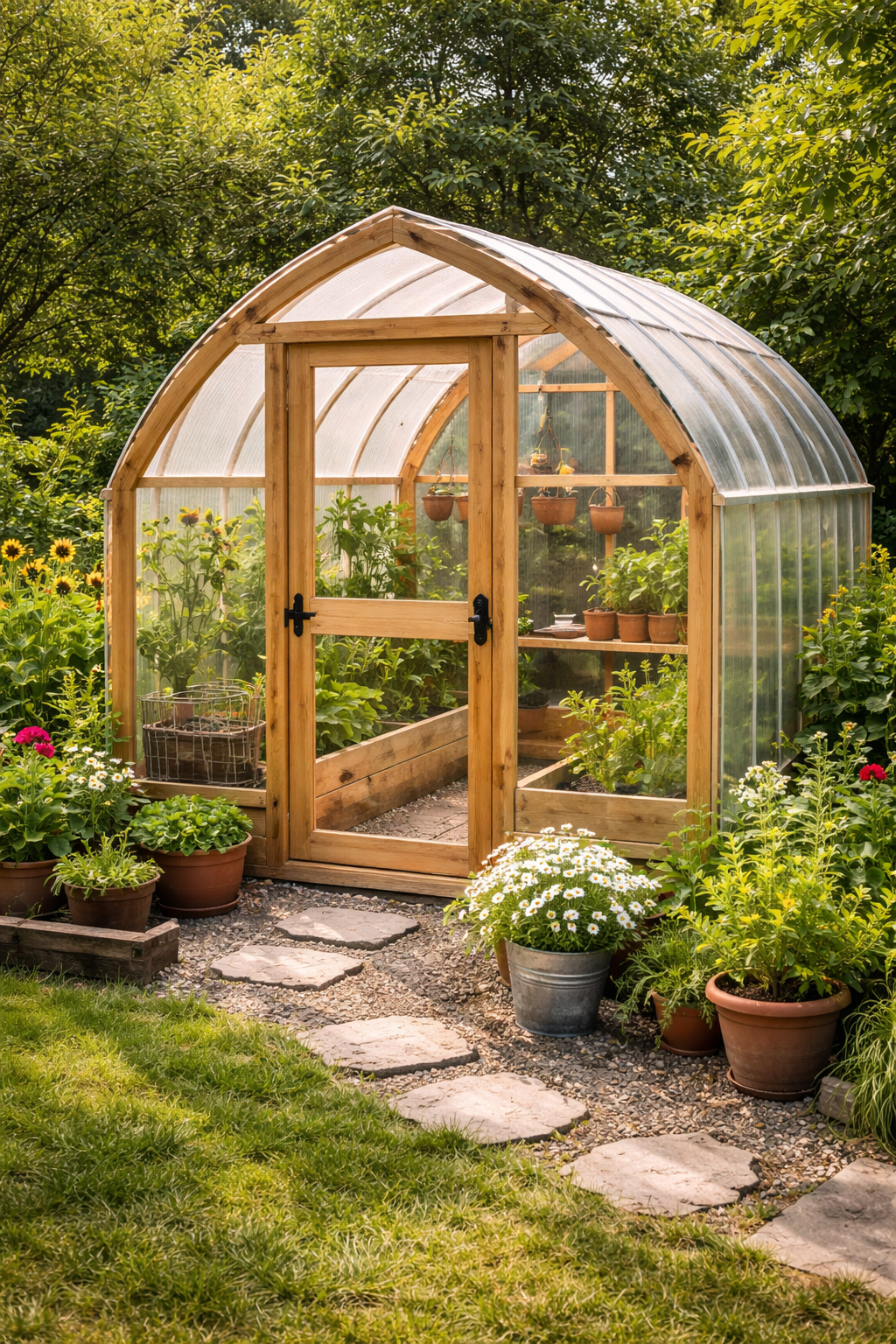
3. Hoop House (PVC Greenhouse) Plans
Hoop houses are among the most popular DIY greenhouse plans because they’re simple and affordable.
Best for: Beginners, budget builds
Pros:
Extremely low cost
Quick to build
Lightweight and movable
Cons:
Less durable in extreme weather
Limited insulation
4. Cold Frame Greenhouse Plans
Cold frames are mini greenhouses built low to the ground.
Best for: Seed starting, overwintering plants
Pros:
Great for beginners
Can be built from recycled materials
Minimal space required
Cons:
Limited growing height
Not suitable for tall plants
5. Geodesic Dome Greenhouse Plans
These futuristic designs are highly efficient and visually stunning.
Best for: Long-term gardeners, eco-enthusiasts
Pros:
Excellent heat retention
Strong wind resistance
Unique design
Cons:
Complex construction
Higher upfront cost
Choosing the Best Location for Your DIY Greenhouse
Even the best DIY greenhouse plans won’t succeed if your placement is wrong.
Ideal Greenhouse Location Tips
Full sun exposure: 6–8 hours of direct sunlight daily
South-facing orientation: Maximizes winter sunlight
Level ground: Prevents structural stress
Wind protection: Use fences, hedges, or buildings as windbreaks
Good drainage: Avoid low-lying or flood-prone areas
Pro tip: Observe your yard for a full day before committing to a location.
Materials for DIY Greenhouse Plans
The materials you choose will affect cost, durability, and insulation.
Frame Materials
Wood: Attractive, strong, great insulation (cedar is ideal)
PVC: Lightweight and inexpensive
Metal: Durable and long-lasting, but harder to work with
Covering Materials
Polyethylene plastic: Affordable and flexible
Polycarbonate panels: Durable and excellent insulation
Glass: Classic look but heavier and more fragile
Foundation Options
Pressure-treated lumber base
Concrete slab
Gravel foundation
Step-by-Step DIY Greenhouse Plans (Basic Build)
4
Here’s a simplified walkthrough for a standard freestanding DIY greenhouse.
Step 1: Plan and Measure
Decide on dimensions (common sizes: 6×8, 8×10, or 10×12 feet). Sketch your design or follow downloadable DIY greenhouse plans.
Step 2: Build the Foundation
Level the ground
Lay gravel or pour concrete
Secure a pressure-treated wood base
Step 3: Construct the Frame
Build wall frames on the ground
Secure corners with brackets
Add roof supports
Step 4: Install the Covering
Stretch greenhouse plastic tightly or
Attach polycarbonate panels with screws
Seal gaps with weatherproof tape
Step 5: Add Ventilation
Roof vents or side vents
Automatic vent openers (highly recommended)
Optional exhaust fan
Step 6: Finish the Interior
Raised garden beds
Shelving for seedlings
Drip irrigation or watering system
Cost Breakdown for DIY Greenhouse Plans
One of the biggest advantages of DIY greenhouse plans is affordability.
Average DIY Greenhouse Costs
Hoop house: $100–$300
Small wood greenhouse: $300–$800
Medium polycarbonate greenhouse: $800–$1,500
Geodesic dome: $1,000–$3,000
Costs vary based on materials, size, and whether you reuse materials like old windows or doors.
Climate Considerations for DIY Greenhouse Plans
Your local climate plays a major role in design choices.
Cold Climates
Double-wall polycarbonate panels
Insulated north wall
Thermal mass (water barrels, stone floors)
Hot Climates
Shade cloth
Roll-up sides
Extra ventilation
Windy Areas
Anchor frames securely
Use metal brackets
Avoid lightweight plastic alone
Common DIY Greenhouse Mistakes to Avoid
Even the best DIY greenhouse plans can fail if you overlook key details.
❌ Poor ventilation
❌ Weak foundation
❌ Incorrect sun orientation
❌ Cheap plastic that degrades quickly
❌ Skipping weather sealing
Taking time during planning saves money and frustration later.
What Can You Grow in a DIY Greenhouse?
A greenhouse dramatically extends your growing season.
Popular Greenhouse Crops
Tomatoes
Peppers
Lettuce and leafy greens
Herbs
Cucumbers
Seedlings and transplants
Tropical plants and flowers
With proper heating and insulation, many gardeners grow year-round.
Are DIY Greenhouse Plans Worth It?
Absolutely. DIY greenhouse plans offer unmatched flexibility, affordability, and long-term value. Whether you’re a beginner gardener or a seasoned grower, building your own greenhouse allows you to control your growing environment and enjoy healthier, more productive plants.
Final Thoughts: Start Building Your DIY Greenhouse Today
With the right DIY greenhouse plans, building a greenhouse doesn’t have to be intimidating or expensive. By choosing the right design, materials, and location, you can create a functional, beautiful space that supports your gardening goals for years to come.
Whether you start small with a hoop house or go all-in with a freestanding greenhouse, the most important step is getting started. Your future garden will thank you 🌱