Sour Dough Starter Easy Recipe: A Beginner-Friendly Guide to Homemade Sourdough
If you’ve ever dreamed of baking warm, tangy sourdough bread at home—but felt intimidated by the process—you’re not alone. The good news? Learning how to make a sour dough starter easy recipe is far simpler than it sounds. With just two ingredients, a little patience, and this step-by-step guide, you’ll be well on your way to baking bakery-quality sourdough from your own kitchen.
This beginner-friendly guide walks you through everything you need to know about creating a sourdough starter the easy way: what it is, why it works, how to care for it, and how to troubleshoot common mistakes. Whether you’re a first-time baker or someone who’s tried (and failed) before, this method is designed to be approachable, forgiving, and effective.
Let’s get started.
What Is a Sourdough Starter?
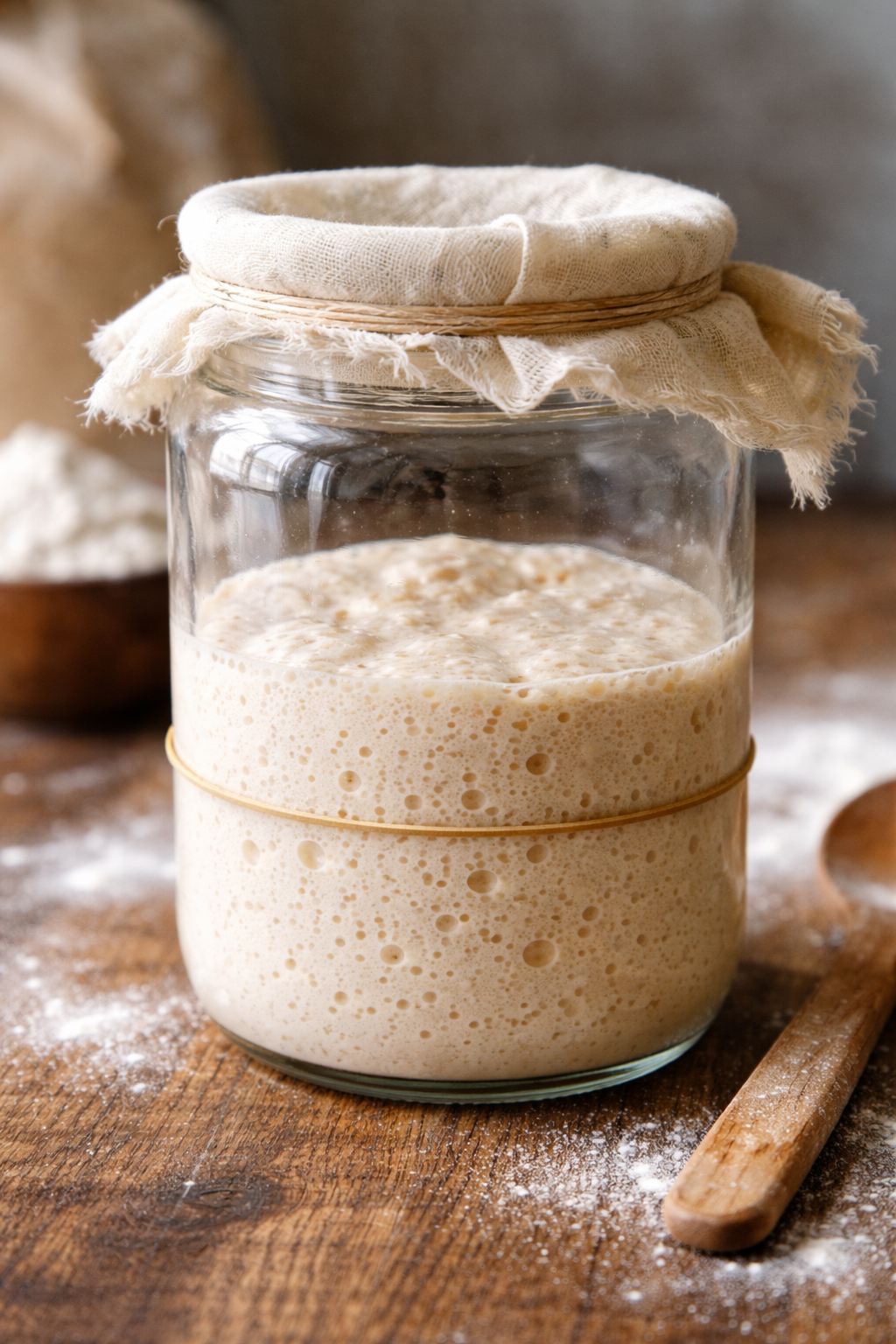
A sourdough starter is a living culture made from flour and water that captures wild yeast and beneficial bacteria from the environment. Over time, this mixture ferments, creating natural leavening that allows bread to rise without commercial yeast.
Unlike store-bought yeast, a starter develops flavor, texture, and complexity naturally. This fermentation process is what gives sourdough its signature tang, chewy crumb, and crisp crust.
The key takeaway? You don’t need special equipment, fancy flours, or baking experience to make one. This sour dough starter easy recipe is designed specifically for beginners.
Why This Is the Easiest Sourdough Starter Recipe
There are countless sourdough starter recipes online, many of which include unnecessary steps, confusing ratios, or specialty ingredients. This recipe keeps things simple and stress-free.
Why this method works so well:
Only two ingredients
No scale required (cups work just fine)
Minimal daily maintenance
Flexible feeding schedule
Beginner-friendly troubleshooting
If you can stir flour and water in a jar, you can make a sourdough starter.
Ingredients You’ll Need
To make this sour dough starter easy recipe, you’ll need:
Flour – All-purpose flour works perfectly. Whole wheat flour can help jump-start fermentation, but it’s optional.
Water – Filtered or bottled water is best. Tap water is fine as long as it’s not heavily chlorinated.
That’s it—no yeast, sugar, honey, or additives required.
Tools (Optional but Helpful)
While not required, these tools can make the process easier:
A glass jar or container (at least 16 oz)
A spoon or spatula
A breathable cover (paper towel, cloth, or loosely placed lid)
Rubber band or marker (to track growth)
Sour Dough Starter Easy Recipe (Step-by-Step)
Day 1: Create the Starter
In a clean jar, combine:
1 cup all-purpose flour
½ cup water
Stir until fully combined. The mixture should be thick, similar to pancake batter.
Scrape down the sides of the jar.
Cover loosely and place it in a warm spot (65–75°F is ideal).
Let it rest for 24 hours.
Day 2: First Feeding
You may or may not see bubbles yet—both are normal.
Add:
½ cup flour
¼ cup water
Stir well.
Cover loosely and return to its warm spot.
Day 3–5: Daily Feedings
By now, you should start noticing bubbles, a slightly sour smell, or small rises and falls.
Each day:
Discard about half of the starter.
Add:
½ cup flour
¼ cup water
Stir, cover, and let rest.
Discarding is important—it keeps the starter healthy and prevents it from growing too large.
Day 6–7: Starter Becomes Active
Your starter is ready when it:
Doubles in size within 4–6 hours of feeding
Has lots of bubbles throughout
Smells pleasantly tangy (not rotten or moldy)
At this point, congratulations—you’ve successfully made a sourdough starter!
How to Know If Your Starter Is Ready to Bake With
The most reliable way to test your starter is the float test:
Drop a small spoonful of starter into a glass of water.
If it floats, it’s ready to use.
If it sinks, continue daily feedings for another day or two.
While the float test isn’t foolproof, it’s a helpful guideline—especially for beginners following a sour dough starter easy recipe for the first time.
How to Maintain Your Sourdough Starter
Once your starter is active, you have two options:
Room Temperature Maintenance
Best if you bake frequently.
Feed once daily
Keep at room temperature
Use the same flour-to-water ratio
Refrigerator Maintenance
Best for occasional baking.
Feed once weekly
Store covered in the fridge
Bring to room temperature and feed 1–2 times before baking
Common Sourdough Starter Problems (and Easy Fixes)
My Starter Isn’t Bubbling
Possible causes:
Room too cold
Water contains chlorine
Not feeding consistently
Fix: Move it to a warmer spot and use filtered water.
It Smells Like Nail Polish or Alcohol
This means it’s hungry.
Fix: Feed it more frequently or increase the flour slightly.
There’s Liquid on Top
That liquid (called “hooch”) is normal.
Fix: Stir it in or pour it off, then feed the starter.
Mold Appeared
Unfortunately, mold means you’ll need to discard and start over.
Tip: Always use clean utensils and containers.
Best Flour for a Sourdough Starter
This sour dough starter easy recipe works with:
All-purpose flour (most beginner-friendly)
Whole wheat flour (great for starting fermentation)
Bread flour (strong gluten structure)
Avoid bleached flour if possible—it can slow fermentation.
How Long Does Homemade Sourdough Starter Last?
With proper care, a sourdough starter can last indefinitely. Some bakers have starters that are decades old, passed down through generations.
Think of it as a living kitchen companion rather than a one-time recipe.
Can You Make Sourdough Starter Faster?
While there’s no true shortcut (natural fermentation takes time), you can encourage faster results by:
Using whole wheat flour on Day 1
Keeping the starter warm
Feeding consistently
Avoiding over-watering
Patience pays off—especially with sourdough.
Why Homemade Sourdough Is Worth the Effort
Using a sour dough starter easy recipe doesn’t just give you delicious bread—it offers other benefits too:
Improved digestion due to fermentation
Richer, deeper flavor
Fewer ingredients
No commercial yeast
A sense of accomplishment
There’s something deeply satisfying about baking bread from scratch with your own starter.
Frequently Asked Questions
Can I Use Tap Water?
Yes, as long as it’s not heavily chlorinated. If unsure, let it sit out overnight before using.
Can I Skip Discarding?
Technically yes, but your starter will grow too large and weaken over time.
Can I Bake with Discard?
Absolutely! Use discard for pancakes, waffles, crackers, and muffins.
Is Sourdough Starter Gluten-Free?
Traditional sourdough starter contains gluten. Gluten-free starters require different flours and methods.
Final Thoughts: Anyone Can Make Sourdough Starter
If you’ve been putting off sourdough because it felt “too complicated,” this sour dough starter easy recipe proves that anyone can do it. No fancy tools. No baking degree. Just flour, water, and a little consistency.
Once your starter is alive and thriving, you’ve unlocked a whole new world of homemade bread, baked goods, and cozy kitchen moments.
And trust us—your future sourdough loaves will be worth every stir.