How to Start a Cut Flower Garden: A Complete Beginner’s Guide to Growing Flowers for Bouquets
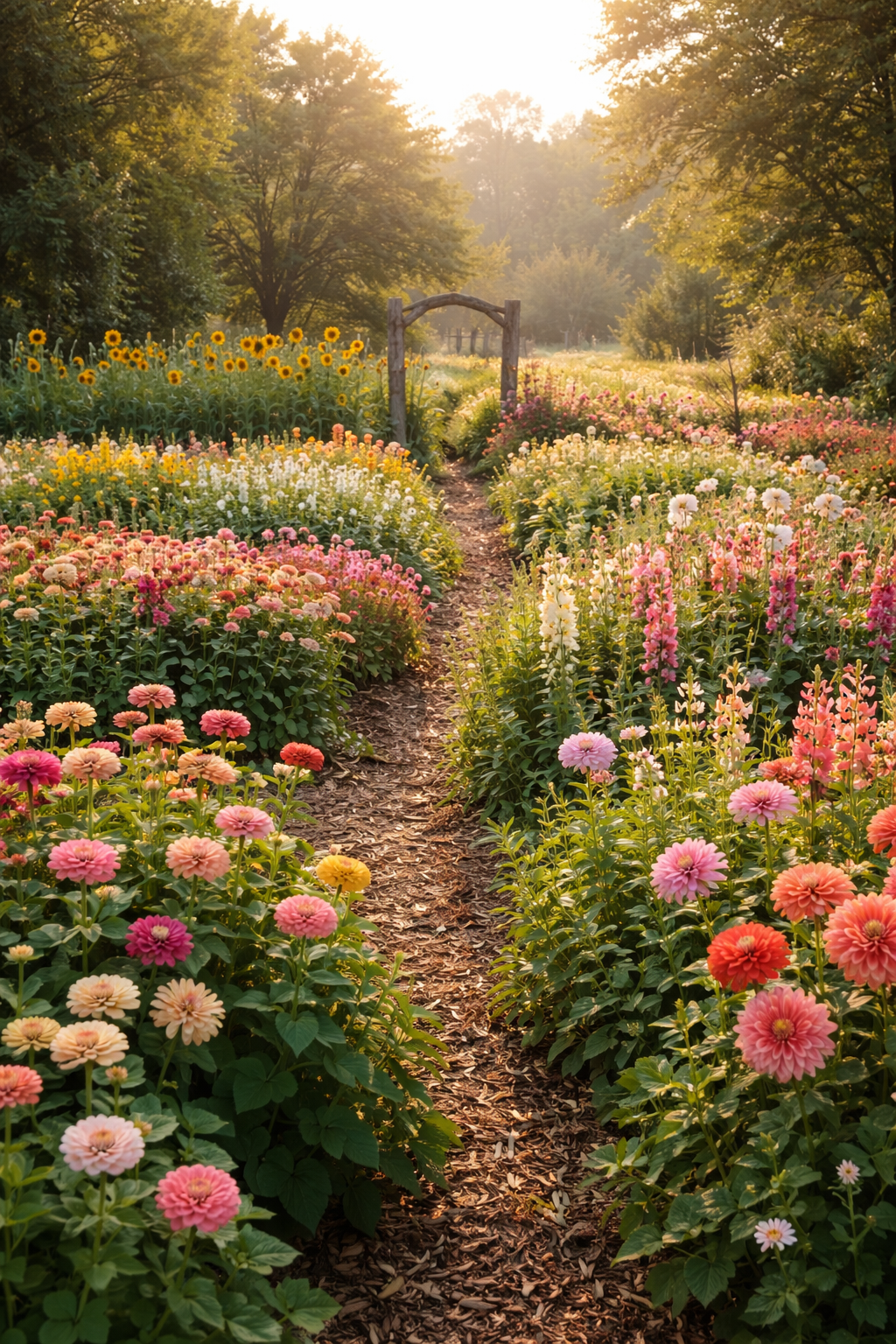
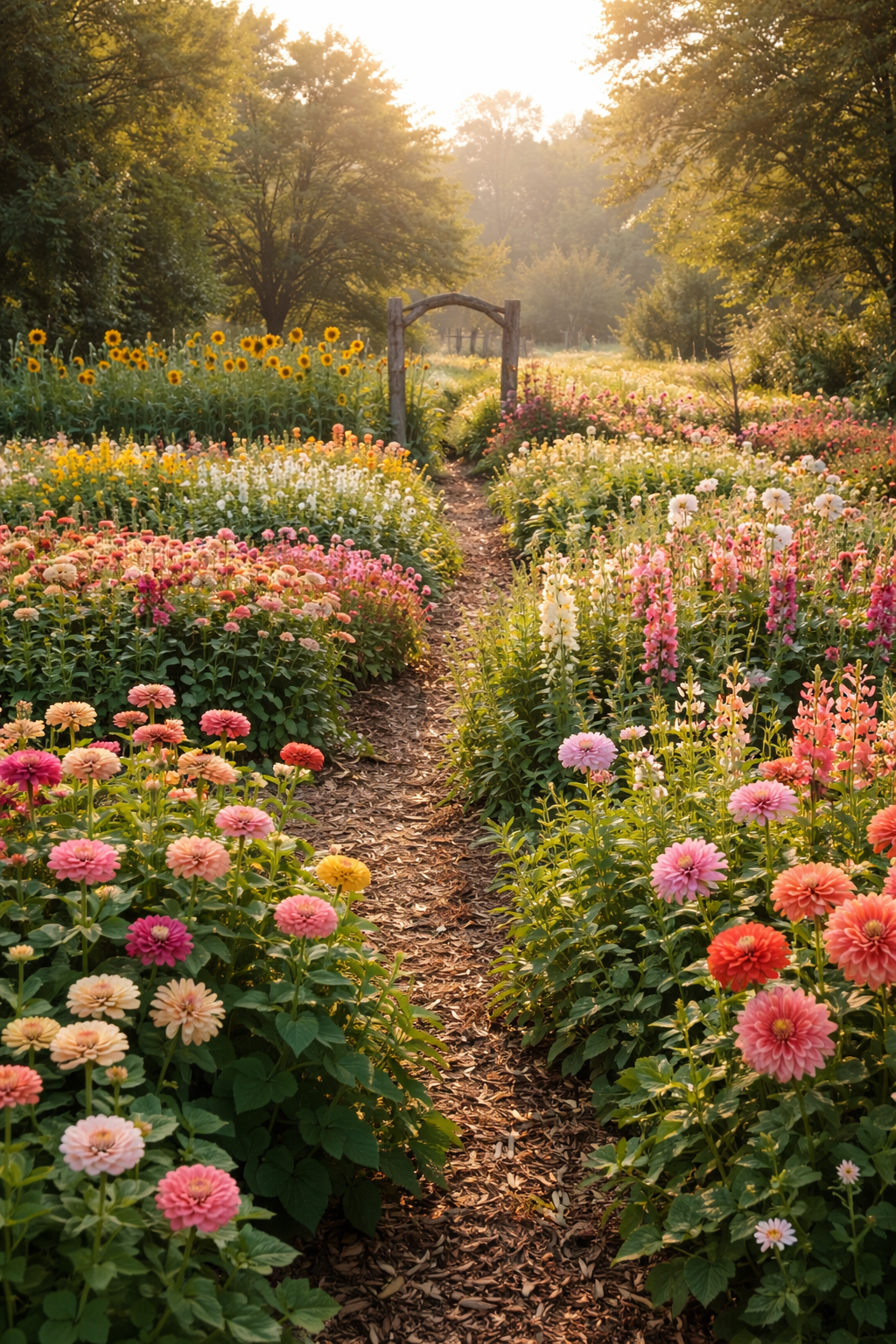
If you’ve ever dreamed of walking into your backyard with a pair of scissors and coming back with an armful of fresh blooms, starting a cut flower garden might be the most rewarding project you’ll ever plant. Cut flower gardens are designed specifically to produce flowers for harvesting—meaning more blooms, longer stems, and continuous bouquets all season long.
Unlike traditional ornamental flower beds that prioritize appearance, a cut flower garden focuses on productivity. Flowers are meant to be cut often, which actually encourages plants to produce even more blooms. Whether you’re growing flowers for your home, gifts, events, or even a small side business, a cut flower garden can be as simple or as expansive as you want it to be.
This complete guide will walk you through everything you need to know—from choosing the right flowers and planning your layout to planting, harvesting, and extending your bloom season.
What Is a Cut Flower Garden?
A cut flower garden is a dedicated space where flowers are grown specifically for cutting and arranging. These gardens prioritize:
Long, sturdy stems
Repeat blooming varieties
High productivity
Easy access for harvesting
Unlike landscape beds where flowers are left untouched, cut flower gardens thrive on frequent harvesting. The more you cut, the more flowers many plants will produce.
Cut flower gardens can be:
Raised beds
In-ground rows
Containers and patio planters
Small backyard plots
Large-scale flower farms
No matter the size, the principles stay the same.
Why You Should Start a Cut Flower Garden
There are countless reasons gardeners fall in love with cut flower gardening:
Endless Fresh Bouquets
Having fresh flowers in your home all season long is a luxury that never gets old. You can create custom bouquets whenever you want—no florist required.
Cost Savings
Store-bought flowers add up quickly. A single packet of seeds can produce dozens (or even hundreds) of stems for just a few dollars.
Encourages More Blooms
Cutting flowers regularly actually stimulates plants to keep blooming, giving you better performance than ornamental beds.
Creative Expression
A cut flower garden allows you to experiment with color palettes, textures, and seasonal arrangements.
Potential Income
Many gardeners sell bouquets at local markets, to friends, or through social media—even small gardens can produce sellable flowers.
Choosing the Best Flowers for a Cut Flower Garden
The key to a successful cut flower garden is choosing flowers that rebloom, have long stems, and hold up well in a vase.
Best Annual Flowers for Cutting
Annuals bloom quickly and produce abundantly throughout the season.
Zinnias
Cosmos
Sunflowers (branching varieties)
Sweet peas
Larkspur
Scabiosa
Celosia
Bachelor’s buttons
Gomphrena
These flowers are ideal for beginners because they grow fast and reward you generously.
Best Perennials for Cut Flower Gardens
Perennials come back year after year and form the backbone of your garden.
Peonies
Black-eyed Susans
Shasta daisies
Yarrow
Coneflowers
Phlox
Coreopsis
While many perennials have shorter bloom windows, they’re excellent for structure and reliability.
Foliage and Fillers to Include
A beautiful bouquet isn’t just flowers. Add greenery and texture with:
Eucalyptus (in warmer zones)
Basil
Mint (contain it!)
Dusty miller
Bells of Ireland
Ornamental grasses
Fillers elevate your arrangements and make bouquets look fuller and more professional.
Planning Your Cut Flower Garden Layout
Designing your cut flower garden for function will make harvesting easier and more enjoyable.
Sunlight Requirements
Most cut flowers need 6–8 hours of direct sun per day. Choose the sunniest spot you have.
Bed Style Options
Raised beds: Great drainage, easier on your back
In-ground rows: Ideal for larger gardens
Containers: Perfect for patios and small spaces
Spacing Matters
Give plants enough room to grow tall, straight stems. Crowded plants produce weak stems and fewer blooms.
Succession Planting
Instead of planting everything at once, stagger plantings every 2–3 weeks. This ensures continuous blooms instead of one big flush.
When and How to Plant a Cut Flower Garden
Starting from Seed vs. Transplants
Seeds are budget-friendly and offer more variety
Transplants give you a head start, especially in short growing seasons
Many gardeners use a combination of both.
Soil Preparation
Healthy soil equals healthy flowers.
Loosen soil 8–12 inches deep
Mix in compost or aged manure
Ensure good drainage
Flowers grown for cutting need nutrient-rich soil to support repeated harvesting.
Direct Sowing Tips
Some flowers prefer to be direct sown, including:
Zinnias
Sunflowers
Cosmos
Bachelor’s buttons
Sow after the last frost unless cold-hardy varieties are recommended for fall planting.
Caring for Your Cut Flower Garden
Once planted, ongoing care is what keeps blooms coming.
Watering
Water deeply and consistently
Avoid overhead watering when possible
Drip irrigation is ideal
Fertilizing
Frequent harvesting means frequent feeding.
Use a balanced fertilizer every 2–3 weeks
Compost tea is a gentle, effective option
Pinching for More Blooms
Pinching young plants encourages branching, resulting in more flowers per plant.
Flowers that benefit from pinching include:
Zinnias
Cosmos
Basil
Snapdragons
How to Harvest Flowers for the Longest Vase Life
Harvesting correctly is just as important as growing.
Best Time to Cut
Early morning or evening
When plants are well-hydrated
What Stage to Cut
Buds just starting to open last longest
Fully open blooms are best for immediate use
Tools and Technique
Use sharp, clean scissors or snips
Cut stems at an angle
Immediately place stems in clean water
Remove any foliage that will sit below the water line to prevent bacteria growth.
Extending Your Cut Flower Garden Season
Want flowers for as long as possible? Try these strategies:
Deadheading
Regularly removing spent blooms signals plants to keep producing.
Succession Sowing
Replant fast-growing flowers throughout the season.
Frost Protection
Use row covers or frost cloth
Grow cold-hardy flowers for early spring and fall
Some flowers, like sweet peas and larkspur, thrive in cooler temperatures and extend your season naturally.
Common Cut Flower Garden Mistakes to Avoid
Even experienced gardeners make these mistakes—avoid them to save time and frustration.
Planting flowers too close together
Forgetting to fertilize regularly
Letting flowers go to seed too early
Harvesting at the wrong stage
Growing only one type of flower
Diversity in bloom times, shapes, and sizes makes your garden more resilient and your bouquets more beautiful.
Can You Start a Cut Flower Garden in Containers?
Absolutely! A cut flower garden doesn’t require a backyard.
Best container flowers include:
Zinnias
Dwarf sunflowers
Cosmos
Basil
Scabiosa
Use deep containers (at least 12 inches), high-quality potting mix, and consistent feeding for success.
Turning Your Cut Flower Garden Into a Side Hustle
Many gardeners eventually sell their flowers casually or professionally.
Ideas include:
Selling bouquets to friends and neighbors
Offering seasonal subscriptions
Selling at local markets
Supplying small events
Even a modest cut flower garden can produce dozens of bouquets per season with minimal investment.
Final Thoughts: Why a Cut Flower Garden Is Always Worth It
A cut flower garden is one of the most joyful and productive gardens you can grow. It rewards you with beauty, creativity, and abundance—often far more than you expect from a small patch of soil.
Whether you’re growing flowers for your kitchen table, gifting homemade bouquets, or dreaming of a small flower business, a cut flower garden adapts to your goals. Start small, experiment freely, and let your garden evolve with you.
Once you experience the magic of cutting your own flowers, you’ll never look at store-bought bouquets the same way again.