Valentine’s Day Tree Ideas: How to Decorate a Romantic Tree for February 14
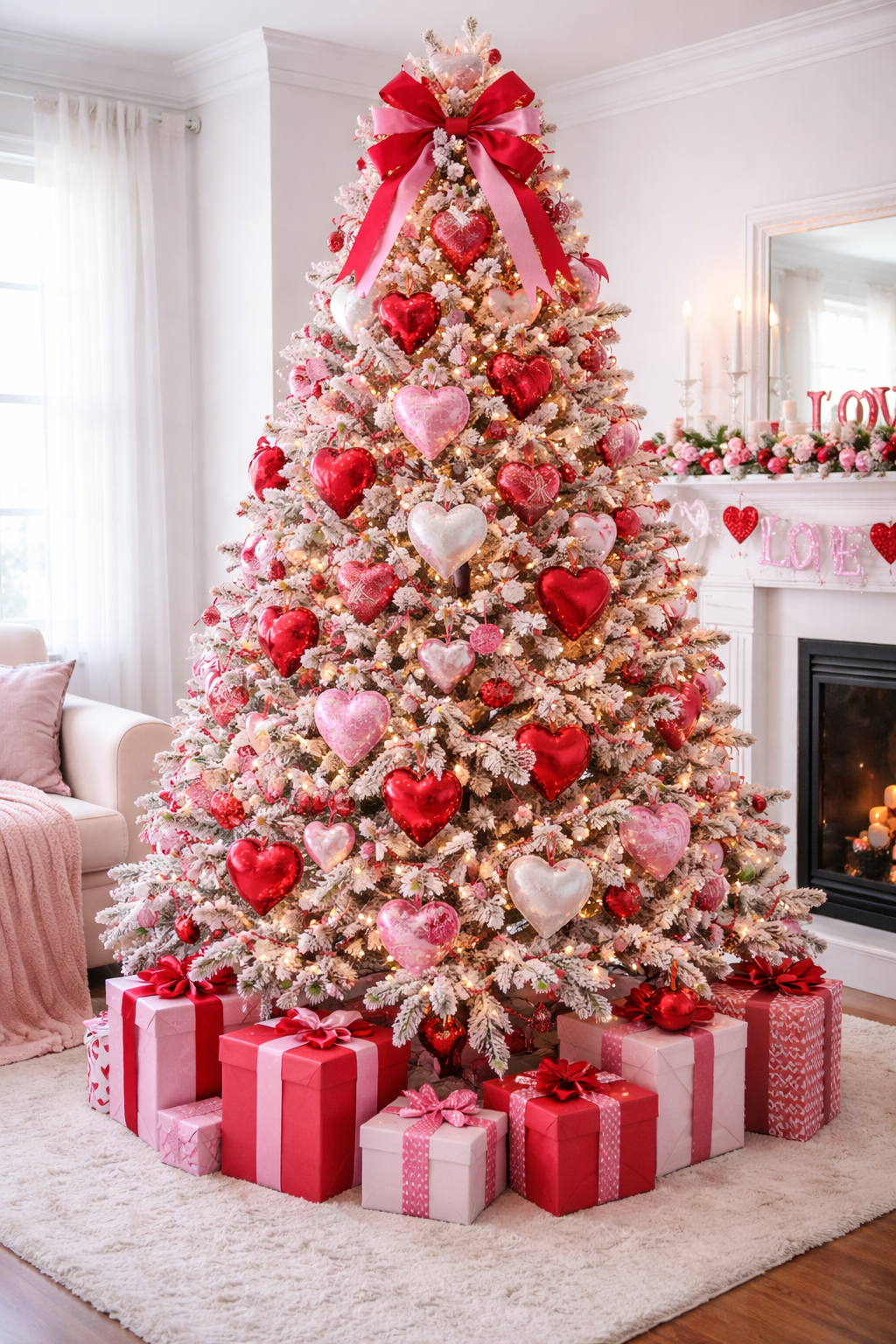
Valentine’s Day isn’t just about chocolates, flowers, and candlelit dinners anymore. In recent years, a new décor trend has captured the hearts of romantics, home décor lovers, and Pinterest scrollers alike: the Valentine’s Day tree.
If you already decorate a Christmas tree or a seasonal tree for spring and fall, transforming it into a Valentine’s Day tree is the perfect way to extend cozy, festive vibes into February. Whether you prefer soft pinks, bold reds, minimalist neutrals, or playful heart-filled designs, a Valentine’s Day tree adds charm, warmth, and personality to your home.
In this guide, we’ll break down what a Valentine’s Day tree is, how to decorate one step-by-step, and share inspiring Valentine’s Day tree ideas for every style—from farmhouse and glam to kid-friendly and DIY. By the end, you’ll be fully inspired to create a tree that celebrates love all month long.
What Is a Valentine’s Day Tree?
A Valentine’s Day tree is a decorative tree—real or artificial—styled with Valentine’s-themed ornaments, colors, and accents. Similar to Christmas or Easter trees, it serves as a seasonal focal point that celebrates the spirit of love, romance, and connection.
Most Valentine’s Day trees feature:
Heart-shaped ornaments
Red, pink, white, or blush color palettes
Ribbons, bows, or garlands
Love-themed signs or words like “XO,” “Love,” and “Be Mine”
Fairy lights or soft LED lighting
Some people reuse small Christmas trees, tabletop trees, or even decorative branches in a vase. Others invest in a dedicated Valentine’s Day tree that comes out every February.
Why Decorate a Valentine’s Day Tree?
If you’re on the fence about adding another seasonal decoration, here’s why Valentine’s Day trees are so popular:
1. They Extend the Cozy Season
After Christmas décor comes down, homes can feel a little bare. A Valentine’s Day tree bridges the gap between winter and spring while keeping your space festive.
2. They’re Pinterest-Perfect
Valentine’s Day trees are incredibly photogenic. They look stunning in living rooms, entryways, bedrooms, and even home offices—making them perfect for social media and seasonal content.
3. They’re Customizable
From romantic and elegant to playful and whimsical, a Valentine’s Day tree can reflect your personality or household vibe.
4. They Work for All Ages
Kids love decorating Valentine’s trees with hearts and crafts, while adults can lean into chic, minimal, or luxe designs.
How to Make a Valentine’s Day Tree (Step-by-Step)
Creating a Valentine’s Day tree is easy, even if you’re not a seasoned decorator.
Step 1: Choose Your Tree Base
You can use:
A small artificial Christmas tree
A tabletop tree (2–4 feet tall)
Bare decorative branches in a vase
A pencil tree for small spaces
White, pink, flocked, or classic green trees all work beautifully for Valentine’s Day.
Step 2: Pick a Color Scheme
Popular Valentine’s Day tree color palettes include:
Red and pink
Blush and gold
White, pink, and silver
Neutral beige with soft blush accents
Black, red, and pink for a modern look
Sticking to 2–3 main colors keeps your tree cohesive.
Step 3: Add Lights
Warm white fairy lights create a romantic glow, while pink or red LED lights add a fun twist. Battery-operated lights work especially well for tabletop trees.
Step 4: Hang Valentine’s Ornaments
This is where your Valentine’s Day tree comes to life. Mix and match:
Heart ornaments
Wooden “LOVE” tags
Glittery accents
Felt or fabric ornaments
Personalized name or initial ornaments
Step 5: Finish with Ribbons or Garlands
Wrap your tree with:
Satin ribbon
Velvet bows
Beaded garlands
Heart-shaped paper chains
Top it off with a bow, heart topper, or floral accent.
Valentine’s Day Tree Ideas for Every Style
Looking for inspiration? These Valentine’s Day tree ideas will help you find the perfect look.
Romantic Pink Valentine’s Day Tree
A pink Valentine’s Day tree is a classic for a reason. Use blush ornaments, soft pink ribbons, pearl garlands, and warm white lights for a dreamy, romantic feel. This style works beautifully in bedrooms or living rooms.
Red and White Valentine’s Day Tree
For a traditional Valentine’s look, stick with red and white. Think candy-inspired ornaments, striped ribbons, heart garlands, and bold pops of color. This style is cheerful and eye-catching.
Neutral Valentine’s Day Tree
If bright colors aren’t your thing, a neutral Valentine’s Day tree is elegant and modern. Use beige, ivory, taupe, and soft blush accents paired with wooden hearts and linen bows.
Farmhouse Valentine’s Day Tree
A farmhouse Valentine’s Day tree combines rustic charm with romantic touches. Use burlap ribbon, wooden heart ornaments, galvanized accents, and simple handwritten tags for a cozy, lived-in look.
Glam Valentine’s Day Tree
For those who love sparkle, a glam Valentine’s Day tree is the way to go. Incorporate gold, rose gold, or silver ornaments, glitter hearts, crystal garlands, and metallic ribbon.
Minimalist Valentine’s Day Tree
A minimalist Valentine’s Day tree focuses on simplicity. Use a white or bare branch tree, a few heart ornaments, subtle lighting, and plenty of negative space.
DIY Valentine’s Day Tree Ornaments
One of the best things about a Valentine’s Day tree is how easy it is to personalize with DIY ornaments.
Easy DIY Ornament Ideas
Paper hearts cut from scrapbook paper
Salt dough heart ornaments
Felt heart garlands
Handwritten love notes tied with twine
Mini photo frames with couples or family photos
DIY ornaments are especially fun for kids and make your Valentine’s Day tree extra meaningful.
Valentine’s Day Tree for Kids
A Valentine’s Day tree can double as a fun family activity. Let kids decorate with:
Candy-colored ornaments
Conversation hearts
Handmade crafts
Valentine cards
You can even turn it into a countdown tree, adding a new ornament each day leading up to Valentine’s Day.
Where to Put Your Valentine’s Day Tree
Valentine’s Day trees are versatile and can be styled almost anywhere:
Living room corner
Entryway or foyer
Bedroom dresser or nightstand
Dining room sideboard
Home office or workspace
Tabletop Valentine’s Day trees work especially well in smaller spaces.
Valentine’s Day Tree Decorating Tips
To make your Valentine’s Day tree look polished:
Stick to a cohesive color palette
Mix textures like velvet, wood, and glitter
Balance large and small ornaments
Step back often to adjust spacing
Don’t overcrowd the tree
Less can truly be more when it comes to seasonal décor.
How Long Should You Keep a Valentine’s Day Tree Up?
Most people display their Valentine’s Day tree from late January through mid-February. Some even keep it up until early March by transitioning it into a spring tree with florals and pastel accents.
Valentine’s Day Tree FAQs
Do I need a special tree for Valentine’s Day?
No! Many people reuse Christmas trees, tabletop trees, or decorative branches.
Can I make a Valentine’s Day tree on a budget?
Absolutely. DIY ornaments, dollar-store finds, and reused decorations keep costs low.
Are Valentine’s Day trees only for couples?
Not at all. Valentine’s Day trees celebrate love in all forms—family, friendship, and self-love included.
Final Thoughts: Why a Valentine’s Day Tree Is Worth It
A Valentine’s Day tree is more than just a trend—it’s a joyful, creative way to celebrate love and bring seasonal charm into your home. Whether you go all-out with glam décor or keep things soft and minimal, a Valentine’s Day tree adds warmth and personality during the winter months.
From romantic pink trees to farmhouse-inspired designs and kid-friendly DIY creations, there’s truly a Valentine’s Day tree for every home and style. Once you decorate one, it may just become a yearly tradition you look forward to every February.