Meal Prep for the Week: The Ultimate Step-by-Step Guide to Save Time, Money, and Stress
If you’ve ever found yourself staring into the fridge at 6 p.m. wondering what to make for dinner, you’re not alone. Between busy work schedules, family responsibilities, and social commitments, figuring out meals every single day can feel overwhelming. That’s where meal prep for the week comes in.
Meal prepping is one of the simplest ways to stay organized, eat healthier, and save money—without spending hours in the kitchen every night. Whether you’re new to meal prep or looking to refine your routine, this guide will walk you through everything you need to know to master weekly meal prep once and for all.
What Is Meal Prep for the Week?
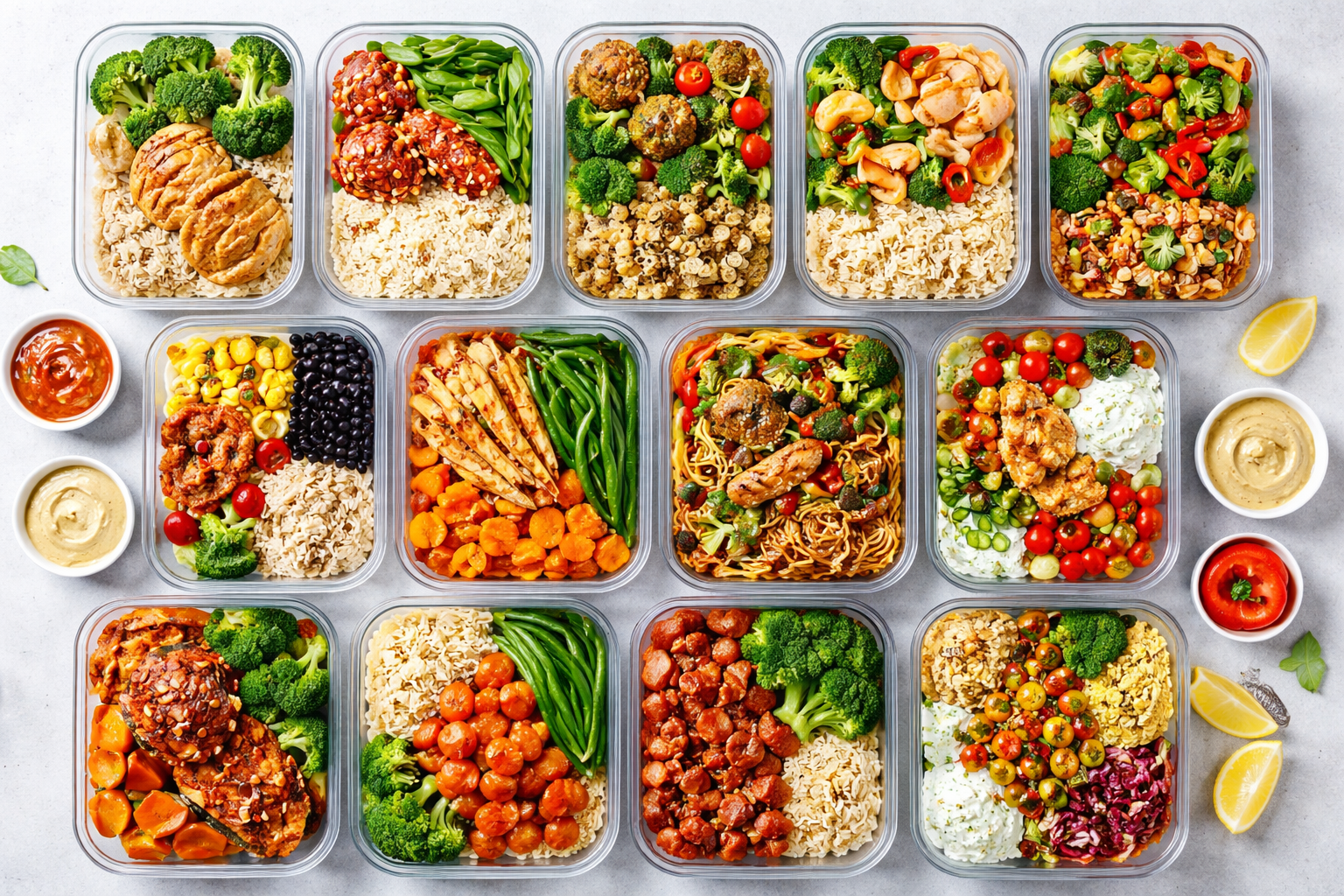
Meal prep for the week is the process of planning, preparing, and portioning meals (or ingredients) in advance so that your food is ready to go throughout the week. This can mean:
Cooking full meals ahead of time
Prepping ingredients like chopped vegetables or cooked proteins
Portioning snacks and lunches
Creating mix-and-match components for easy meals
The goal isn’t perfection—it’s convenience. Even prepping a few meals can drastically reduce daily stress around food.
Benefits of Meal Prep for the Week
1. Saves Time
Instead of cooking every day, you spend a few hours once or twice a week preparing meals. This frees up your evenings and eliminates last-minute cooking.
2. Saves Money
Meal prep helps you avoid:
Impulse grocery purchases
Takeout and delivery fees
Food waste from unused ingredients
By planning ahead, you buy only what you need and use everything you purchase.
3. Encourages Healthier Eating
When meals are already prepared, you’re more likely to stick to nutritious choices instead of reaching for fast food or snacks.
4. Reduces Stress
Knowing exactly what you’ll eat removes decision fatigue and makes your week feel more manageable.
5. Supports Fitness and Wellness Goals
Meal prep makes it easier to control portions, track macros, and stay consistent with dietary goals.
How to Meal Prep for the Week (Step-by-Step)
Step 1: Decide How Many Meals to Prep
Start by choosing:
Breakfast, lunch, dinner, or all three
How many days you want to prep (3–5 days is ideal for beginners)
You don’t have to prep everything. Even preparing lunches alone can make a huge difference.
Step 2: Choose Simple, Balanced Recipes
When planning meal prep for the week, simplicity is key. Look for recipes that:
Reheat well
Use similar ingredients
Can be easily customized
A balanced meal usually includes:
Protein (chicken, tofu, beans, eggs)
Carbohydrates (rice, potatoes, quinoa, pasta)
Healthy fats (olive oil, avocado, nuts)
Vegetables (fresh or roasted)
Step 3: Create a Weekly Meal Prep Plan
Here’s a basic example:
Breakfasts
Egg muffins with vegetables
Overnight oats
Greek yogurt with fruit and granola
Lunches
Chicken rice bowls
Turkey and veggie wraps
Pasta salad with protein
Dinners
Sheet pan chicken and vegetables
Stir-fry with rice
Slow cooker chili
Snacks
Cut fruit
Hard-boiled eggs
Hummus and veggies
Step 4: Write a Grocery List
Organize your list by category:
Produce
Proteins
Pantry items
Dairy
Frozen foods
This saves time at the store and ensures you don’t forget anything.
Step 5: Set Aside a Meal Prep Day
Most people choose:
Sunday
Saturday
One weekday evening
Plan for 2–3 hours your first time. As you gain experience, meal prep becomes faster and more efficient.
Meal Prep Tips to Save Time in the Kitchen
Batch Cook Ingredients
Instead of cooking multiple meals separately:
Roast all vegetables on one sheet pan
Cook a large batch of rice or quinoa
Grill or bake several portions of protein at once
Use Multiple Cooking Methods
Cook smarter by using:
Oven
Stovetop
Slow cooker
Air fryer
This allows you to prepare several items simultaneously.
Keep Seasonings Simple
Use different sauces and spices to change flavors throughout the week. For example:
Teriyaki sauce
Taco seasoning
Lemon herb
Garlic parmesan
The same ingredients can feel completely different with a new flavor profile.
Best Containers for Meal Prep for the Week
The right containers make meal prep easier and more enjoyable.
Look for Containers That Are:
Microwave-safe
Dishwasher-safe
Leak-proof
Stackable
Popular Options:
Glass containers for reheating
BPA-free plastic for lightweight storage
Divided containers for portion control
Label containers with dates to keep track of freshness.
How Long Does Meal Prep Last?
Most meal-prepped foods last:
3–5 days in the refrigerator
Up to 3 months in the freezer
Here’s a quick freshness guide:
Cooked chicken: 3–4 days
Cooked rice: 4–5 days
Roasted vegetables: 4–5 days
Salads (undressed): 3–4 days
If you’re prepping for a full week, consider freezing some meals.
Easy Meal Prep Ideas for the Week
Breakfast Meal Prep Ideas
Egg muffins with spinach and cheese
Overnight oats in jars
Breakfast burritos (freeze for later)
Lunch Meal Prep Ideas
Chicken burrito bowls
Pasta salad with veggies and protein
Mason jar salads (keep dressing separate)
Dinner Meal Prep Ideas
Sheet pan salmon and vegetables
Slow cooker shredded chicken
Beef or lentil chili
Snack Prep Ideas
Energy bites
Cut fruit and berries
Yogurt parfaits
Meal Prep for the Week on a Budget
Meal prep doesn’t have to be expensive. Here’s how to keep costs low:
Buy ingredients in bulk
Choose seasonal produce
Use affordable proteins like eggs, beans, and chicken thighs
Repurpose leftovers into new meals
For example, roasted chicken can become:
Chicken bowls
Wraps
Salads
Soups
Common Meal Prep Mistakes (and How to Avoid Them)
1. Prepping Too Much at Once
Start small to avoid burnout and wasted food.
2. Choosing Complicated Recipes
Stick with simple meals you actually enjoy eating.
3. Forgetting Variety
Rotate sauces and seasonings to prevent boredom.
4. Not Storing Food Properly
Use airtight containers and refrigerate promptly.
Sample Meal Prep for the Week Plan
Sunday Meal Prep Example
Roast chicken breast (5 servings)
Cook quinoa and brown rice
Roast broccoli, carrots, and bell peppers
Prepare overnight oats for breakfasts
Chop fruit and vegetables for snacks
Weekly Meals
Lunch: Chicken quinoa bowls
Dinner: Chicken stir-fry or roasted vegetable plates
Breakfast: Overnight oats
Snacks: Fruit and yogurt
Is Meal Prep for the Week Worth It?
Absolutely. Whether your goal is to eat healthier, save money, or simply make life easier, meal prep for the week is one of the most effective habits you can build.
It doesn’t require perfection, fancy tools, or complicated recipes—just a little planning and consistency. Once you find a system that works for you, meal prep becomes second nature.
Final Thoughts on Meal Prep for the Week
Meal prep is more than just cooking—it’s a lifestyle shift that brings structure and ease to your daily routine. By planning ahead, cooking smarter, and keeping meals simple, you’ll spend less time stressing about food and more time enjoying your week.
Start small, experiment with what you love, and adjust as needed. With time, meal prep for the week will feel less like a chore and more like a powerful tool that supports your health, budget, and peace of mind.