Bariatric Gelatin Recipe: The Ultimate High-Protein, Sugar-Free Treat for Post-Surgery Success
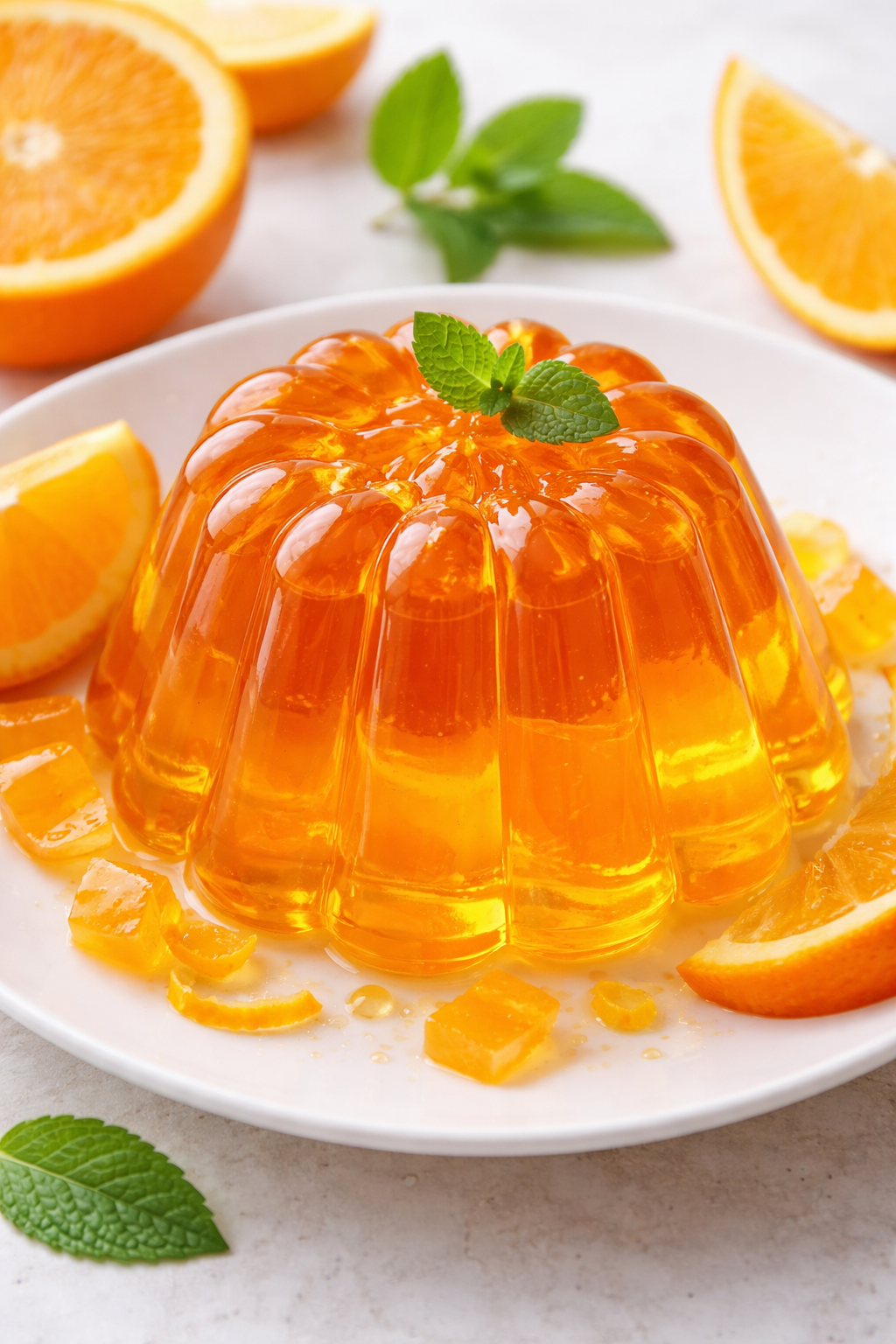
If you’ve had weight loss surgery—or you’re preparing for it—you already know how important protein, hydration, and gentle digestion are during recovery. Finding foods that are easy on your stomach, support healing, and still feel like a “treat” can be surprisingly hard. That’s where a bariatric gelatin recipe comes in.
Gelatin is a staple in bariatric diets for a reason. It’s soft, smooth, customizable, and incredibly versatile. When prepared correctly, it can be sugar-free, high-protein, low-calorie, and fully compliant with bariatric post-op guidelines. Whether you’re in the clear liquid stage, full liquid stage, or transitioning into soft foods, bariatric gelatin can be one of the most comforting and reliable options in your daily meal plan.
In this guide, we’ll cover everything you need to know about bariatric gelatin, including:
Why it’s ideal after bariatric surgery
How to make a bariatric-friendly gelatin recipe
Protein-boosted variations
Stage-specific tips
Common mistakes to avoid
Frequently asked questions
Let’s dive in.
What Is Bariatric Gelatin?
A bariatric gelatin recipe is a modified version of traditional gelatin desserts designed specifically for bariatric patients. Unlike standard gelatin, which often contains sugar and artificial additives, bariatric gelatin focuses on:
Sugar-free ingredients
Optional protein enhancement
Smooth, lump-free texture
Easy digestion
Low calorie count
Most bariatric patients rely on gelatin during early post-operative phases when solid food isn’t yet allowed. However, many continue enjoying it long-term as a protein-friendly dessert or snack.
Why Gelatin Is Perfect for Bariatric Diets
1. Easy to Digest
After surgery, your stomach pouch is smaller and more sensitive. Gelatin requires minimal digestion and moves gently through the digestive system.
2. Supports Hydration
Gelatin counts toward fluid intake, which is crucial since dehydration is one of the most common post-op complications.
3. Customizable Protein Content
Plain gelatin is low in protein, but bariatric recipes can easily be enhanced with unflavored protein powder or collagen peptides.
4. Sugar-Free and Low Calorie
When made correctly, bariatric gelatin contains zero added sugar and very few calories—perfect for weight loss goals.
5. Helps Satisfy Sweet Cravings
Many bariatric patients struggle with cravings after surgery. Gelatin provides sweetness without sabotaging progress.
Bariatric Gelatin Recipe (Basic, Sugar-Free Version)
This is a simple, stage-friendly bariatric gelatin recipe that works well during the clear liquid and full liquid phases.
Ingredients
1 packet sugar-free gelatin (any flavor approved by your program)
2 cups boiling water
2 cups cold water (or ice cubes)
Optional: approved sugar-free flavor drops or extracts
Instructions
Bring 2 cups of water to a full boil.
Pour the boiling water into a heat-safe bowl.
Add the sugar-free gelatin powder and whisk until fully dissolved (no granules).
Stir in 2 cups of cold water.
Pour into individual containers or one large dish.
Refrigerate for at least 3–4 hours until fully set.
Serve chilled.
Tip: For early post-op stages, ensure the gelatin is smooth and not overly firm.
High-Protein Bariatric Gelatin Recipe
Protein is critical after bariatric surgery, especially for healing and muscle preservation. This variation boosts protein without changing texture too much.
Ingredients
1 packet sugar-free gelatin
1½ cups boiling water
1 cup cold water
1 scoop unflavored protein powder (whey isolate or bariatric-approved)
Optional: sugar-free flavor drops
Instructions
Dissolve gelatin in boiling water, stirring until completely clear.
In a separate bowl, mix protein powder with cold water until smooth.
Slowly whisk the protein mixture into the gelatin mixture.
Pour into molds or containers.
Refrigerate until set.
Protein Tip
Always add protein after the gelatin is fully dissolved to avoid clumping.
Bariatric Gelatin With Collagen Peptides
Collagen peptides are popular in bariatric diets for supporting skin, hair, nails, and joints.
Why Use Collagen?
Dissolves easily
Neutral taste
Gentle on digestion
Adds protein without thickness
How to Add It
Simply whisk 1–2 scoops of unflavored collagen peptides into the boiling water before adding gelatin powder.
Bariatric Diet Stages: When Can You Eat Gelatin?
Clear Liquid Stage
✔️ Plain sugar-free gelatin
✔️ No added protein unless approved
✔️ Very smooth texture
Full Liquid Stage
✔️ Protein-enhanced gelatin
✔️ Collagen gelatin
✔️ Slightly thicker texture allowed
Pureed / Soft Foods Stage
✔️ Gelatin with blended yogurt (if approved)
✔️ Layered gelatin desserts
✔️ Small portions
Always follow your surgeon or dietitian’s specific guidelines.
Best Gelatin Flavors for Bariatric Patients
Popular bariatric-friendly gelatin flavors include:
Lemon
Lime
Cherry
Raspberry
Orange
Peach
Avoid:
Sugary or regular gelatin
Gelatin with fruit chunks
Candy-style gelatin desserts
Common Mistakes to Avoid
Using Regular Gelatin
Regular gelatin contains sugar and can cause dumping syndrome.
Adding Protein to Hot Water Incorrectly
Protein added too early can clump or curdle.
Over-Portioning
Even liquids should be consumed slowly and mindfully.
Eating Gelatin Too Cold Early On
Extremely cold foods may cause discomfort right after surgery.
How Much Bariatric Gelatin Can You Eat?
Portion sizes vary by stage, but a general guideline is:
½ cup per serving
Eat slowly over 20–30 minutes
Stop at first sign of fullness
Is Gelatin Enough Protein After Bariatric Surgery?
Plain gelatin alone is not sufficient for protein needs. That’s why bariatric gelatin recipes often include:
Protein powder
Collagen peptides
High-protein liquid supplements
Gelatin works best as a supporting food, not a primary protein source.
Bariatric Gelatin FAQs
Is gelatin allowed after gastric bypass?
Yes, sugar-free gelatin is widely approved during early post-op stages.
Can bariatric patients eat gelatin long-term?
Absolutely. Many patients enjoy it months or even years after surgery.
Does gelatin cause dumping syndrome?
Sugar-free gelatin does not, but regular gelatin can.
Can I make gelatin with protein shakes?
Yes, but only if the shake is bariatric-approved and smooth when set.
Bariatric Gelatin for Weight Loss and Maintenance
Even beyond surgery recovery, bariatric gelatin is helpful for:
Weight maintenance
Late-night snacking
Sweet cravings
Low-calorie desserts
It’s one of the few treats that fits easily into a structured bariatric lifestyle.
Final Thoughts: Why This Bariatric Gelatin Recipe Works
A well-made bariatric gelatin recipe is more than just a dessert—it’s a recovery tool. It supports hydration, provides comfort, satisfies cravings, and can even boost protein intake when prepared correctly.
Whether you’re days post-op or years into your bariatric journey, gelatin remains one of the simplest and most reliable foods you can keep in your routine.
If you’re building a bariatric-friendly meal plan, this recipe deserves a permanent spot in your fridge.